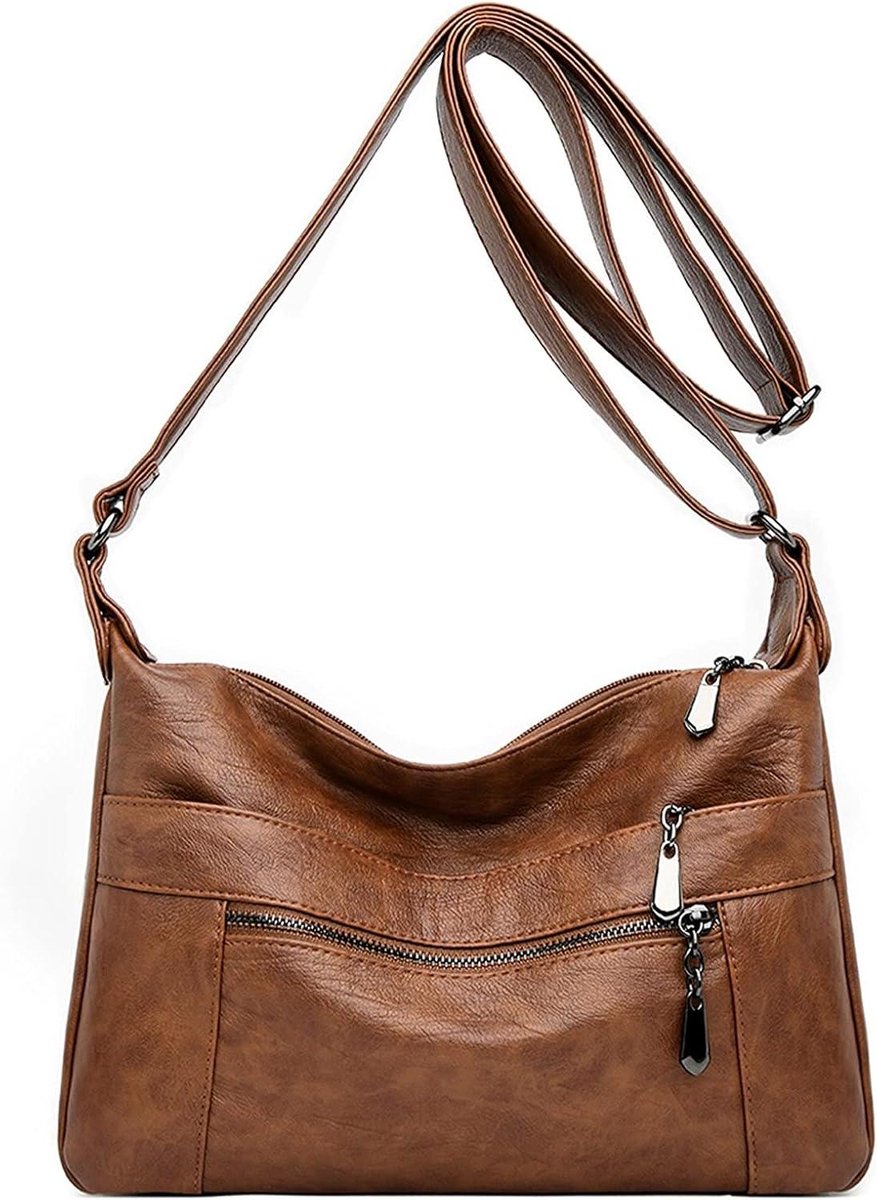
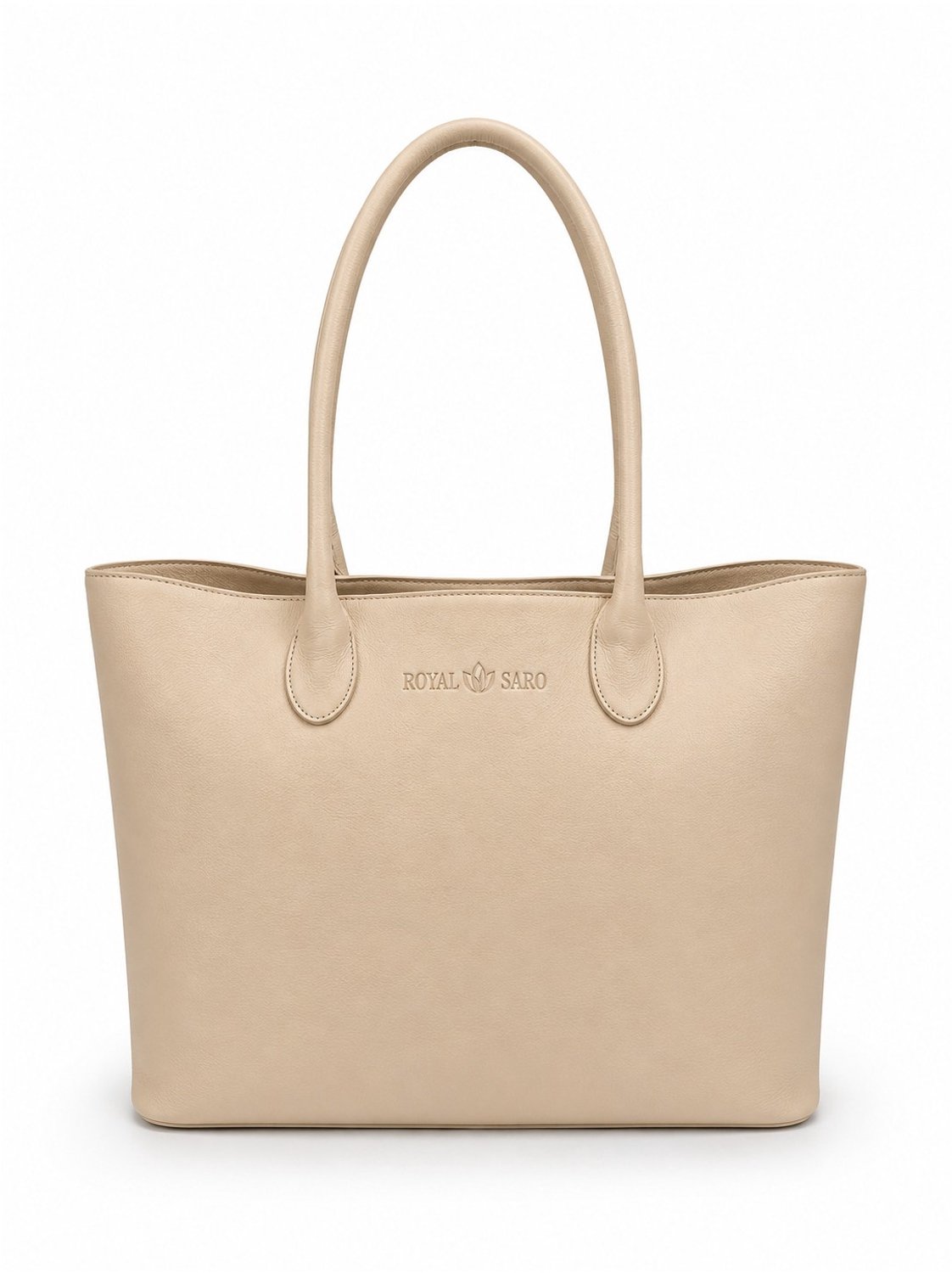
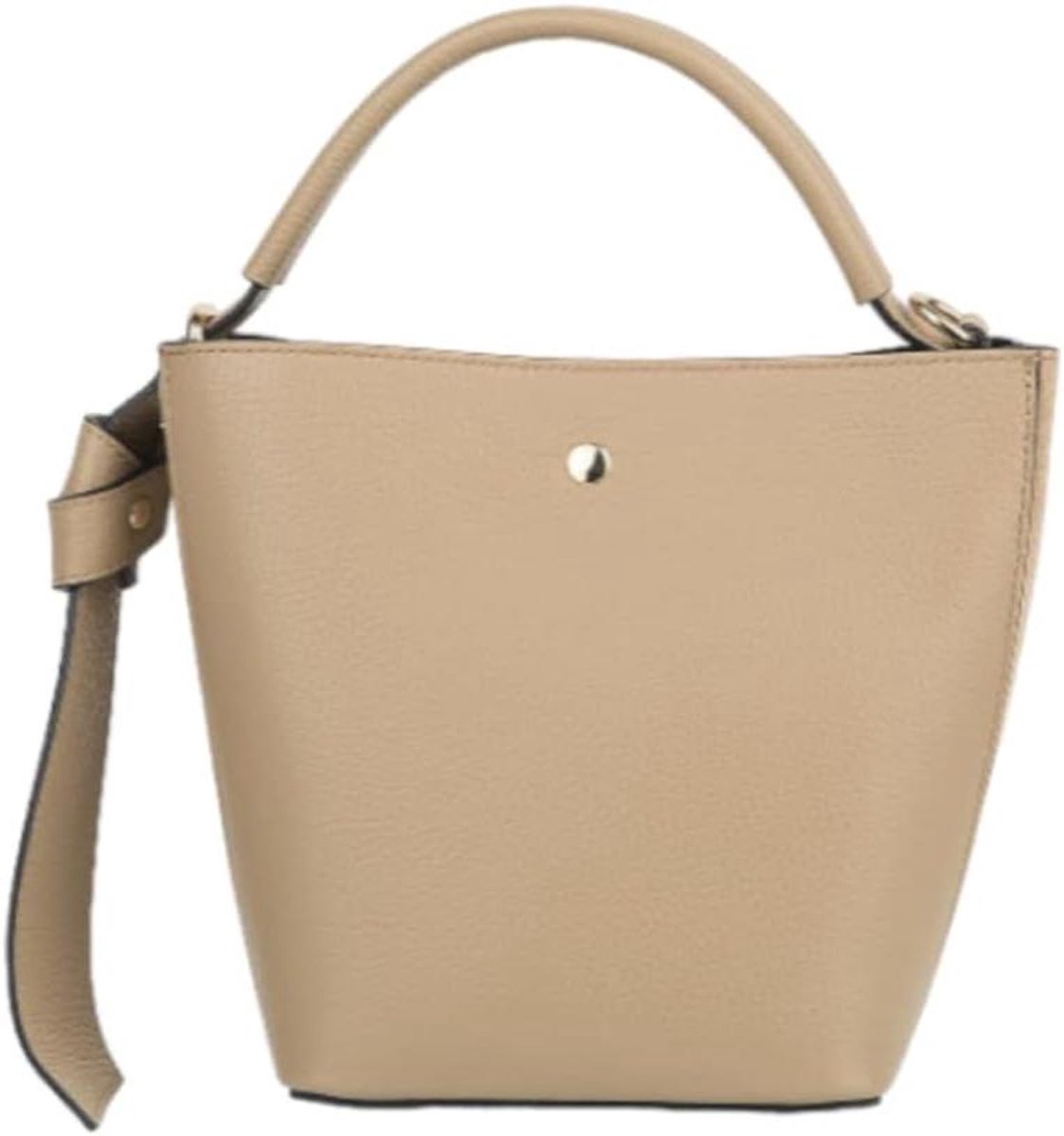
Most advice about bags is about the bag. This piece starts from the other end: the occasion and the things you actually have to carry. Those two facts settle most of the decision before you look at a single product. The dress code sets a ceiling on how big a bag can look. Your list sets a floor on how small it can be. The good bag lives between the two.
The ceiling and the floor
The dressier the event, the smaller and more structured the bag tends to be. A wedding guest with a small, firm top-handle bag looks finished. The same outfit with a full-size tote looks like it came straight from work. At the other end, a day of travel asks for a bag that stays closed, sits against the body and holds a lot, so the rules flip: big, soft, zipped and worn across the body.
That is the ceiling. The floor is plain geometry. A bag has to be at least a few centimetres wider than the longest thing in it, and it needs enough volume for everything together, with a little slack so it still closes without bulging. A bulging bag looks wrong whatever it cost, because the shape you chose is gone.
How the picker decides
Each thing you tick is counted by its real size, not by a guess. A 14 inch laptop is about 33 by 24 centimetres and 3 thick. A compact umbrella is about 24 centimetres long. A water bottle is about 20 centimetres tall. The picker adds up the volume, adds a third on top so the bag closes cleanly, and finds the smallest standard size that is both roomy enough and wide enough.
Then it checks that size against the occasion. When the two disagree, the picker says so instead of quietly picking a bag that is wrong for one of them. That is the useful part: you see which item is pushing the bag out of the dress code, and you can decide what to do about it.
The dress code sets how big a bag can look. What you carry sets how small it can be.
When to break the rule
The ceiling is a guide, not a law. If you wear one strong, simple outfit, a slightly larger bag in a plain colour often looks deliberate. A bag that is too big for the dress code can still work when its shape is firm and its colour matches something else you wear, such as shoes or a belt. What rarely works is a bag that is both oversized and shapeless at a formal event.
The same goes for the floor. If you want to carry a laptop and go to dinner, do not shrink the bag to fit the dress code. Carry the work bag, and take a small bag from it for the evening. Re-wearing and re-using what you already own is the least wasteful way to dress for more than one occasion.
What to look for
- Measurements in the listing. Look for interior or overall width, height and depth in centimetres. Compare the width to the longest thing you carry, plus a few centimetres.
- A firm base and sides. The bag keeps its shape when it is half full, which is what makes it look dressed.
- A closure that fits the setting. A zip for travel and work, a flap or clasp for the evening.
- A strap that is long enough for how you wear it. Adjustable straps let one bag cover more occasions.